Our Services
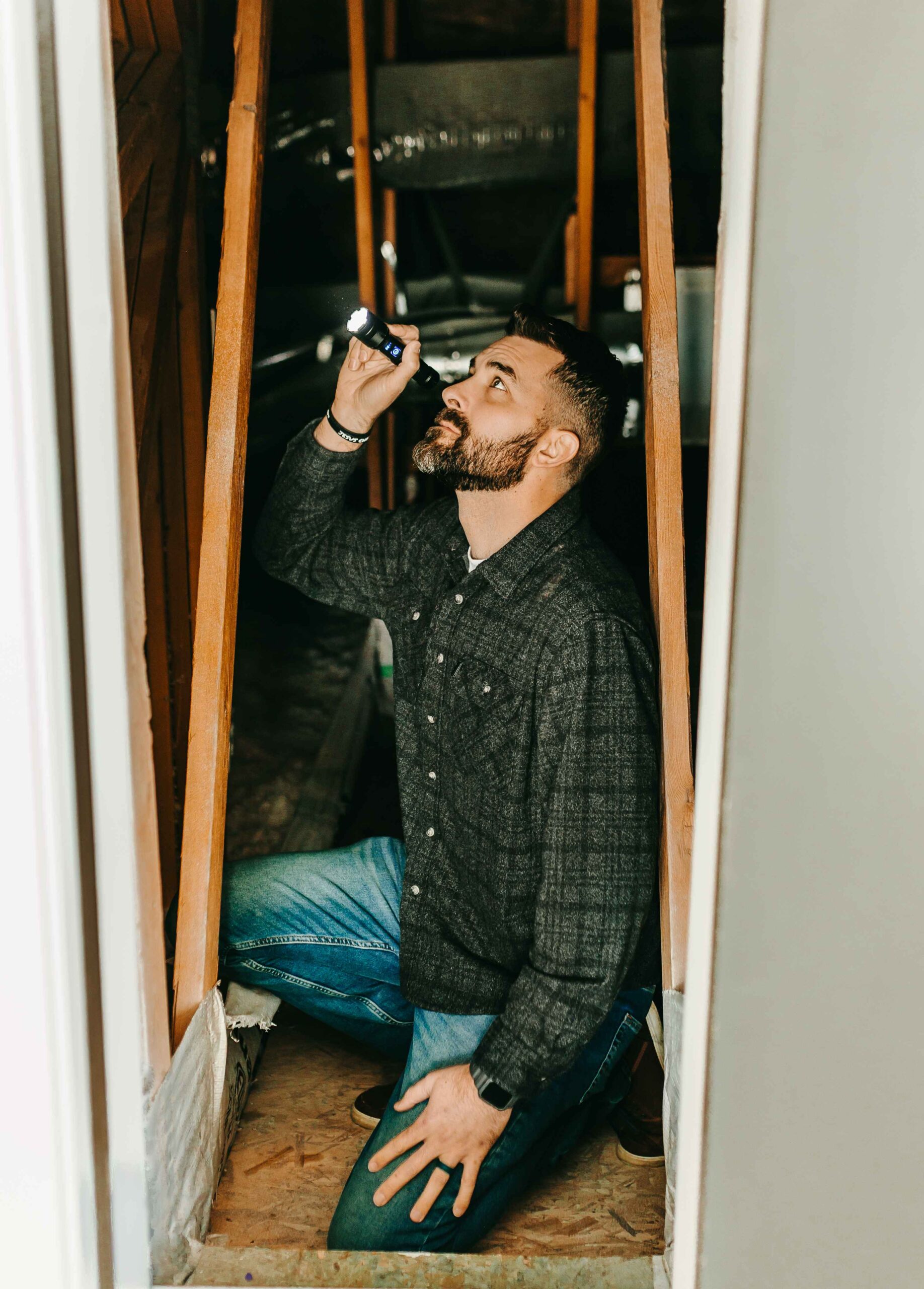
Our inspections are performed with great care and attention to detail.
Standard Home Inspection
A thorough evaluation of a home’s major systems, structure, and components. Identifies potential issues, safety hazards, and maintenance needs, providing a detailed report to help buyers make informed decisions about their property investment.
Re-inspection
Follow-up inspection after repairs or improvements to confirm that previous issues have been resolved properly. Ensures work meets safety and quality standards, giving buyers or homeowners peace of mind before moving forward with the purchase.
Pre-listing Inspection
A comprehensive home evaluation conducted before listing a property for sale. Identifies potential issues in advance, helping sellers address repairs, increase market value, and provide transparency to potential buyers. Prevents surprises during negotiations.
Pre-drywall Inspection
An inspection performed before drywall installation in new construction or remodeling. Verifies framing, plumbing, HVAC, electrical, insulation, and structural components, ensuring everything meets industry standards for safety, owner preference, and long-term performance.
Thermal Imaging
Uses advanced infrared technology to detect hidden issues such as moisture, leaks, insulation gaps, and electrical hotspots. Provides a non-invasive, detailed view of a home’s condition beyond what the eye can see. This service is included in any True North home inspection.
11-Month Warranty Check-Ups
An inspection conducted near the end of the builder warranty to identify defects, incomplete items, or performance issues, helping homeowners address repairs, confirm proper operation, and protect long-term value before coverage expires.
Frequently Asked Questions
Buying or selling a home can be a stressful experience, but we’re here to ensure you know what to expect during your home inspection.
A thorough home inspection should provide a comprehensive evaluation of a property’s safety and structural integrity. Core components of a good home inspection include: foundation, framing, roofing system, exterior features, interior rooms, plumbing system, electrical system, HVAC system, attic & insulation, and the basement/crawlspace. A typical home inspection takes 3-4 hours to complete.
Ensure all inspection points are free from clutter, including closets that provide access to a crawlspace or attic, and clear space around your home’s perimeter. It’s also important to make sure all built-in appliances, electrical systems, and gas utilities are functional. If you don’t plan to attend the inspection, ensure your inspector has access to the home and that all pets are properly contained or relocated.
A home doesn’t pass or fail an inspection. Instead, a home inspection is a thorough evaluation of the home’s systems and components. In most cases, concerns will be noted in the inspection report, but these findings are strictly informational.
While you can legally skip a home inspection in many cases, doing so may result in purchasing a home with major issues that require costly repairs. The bank’s appraisal protects the lender — a home inspection protects the buyer.
While a home inspector may recommend minor repairs, they are not qualified to perform major repairs. The inspector can provide information about what may need attention, but the decision to complete any work lies solely with the homeowner. This not only gives you the freedom to choose your own contractors, but also helps prevent conflicts of interest.
A home inspection can affect an appraisal in two ways: (1) the inspector may identify issues that could lower the home’s value, or (2) the inspector may identify items that, once repaired, could increase the home’s value. If the inspection reveals issues requiring repair, the seller must decide whether to complete the repairs themselves or hire a professional. If the buyer wishes to proceed with the purchase, they must be prepared to account for the cost of those repairs.